
FAQ
Frequently Asked Questions: Pest Control in Boynton Beach, Florida
Frequently Asked Questions About Pest Control Services
At Pest Control Xperts, we believe that an informed homeowner is a protected homeowner. Navigating the world of pest control in Boynton Beach and Lake Worth can be confusing. You likely have questions about safety, effectiveness, and what exactly is living in your attic or walls. We have compiled this extensive guide to answer your most pressing concerns regarding our residential pest control and commercial pest services.
Whether you are dealing with a sudden ant invasion in your kitchen or hearing scratching sounds in the ceiling, we want you to feel confident in the solution. Below, you will find detailed answers covering our general processes as well as specific insights into ants, bed bugs, cockroaches, fleas, ticks, rodents, spiders, and termites. If you do not see your specific question listed here, please do not hesitate to reach out to us for assistance.
General Service and Process Questions
What should I expect during the initial pest inspection?
Your initial pest inspection is the foundation of a successful long-term pest control plan. When our technician arrives at your home in Boynton Beach or Lake Worth, we do not simply start spraying. We begin with a conversation to understand what you have seen, heard, or smelled. We then perform a systematic examination of your property.
Inside, we check common moisture points like under sinks, behind appliances, and around windows. We look for “harborage areas”—clutter or gaps where pests hide. We may inspect the attic for rodent activity or signs of drywood termites. Outside, we examine the foundation, the roofline (from the ground), and the landscaping. We look for entry points such as unsealed utility pipes, cracks in the stucco, or vegetation touching the home. Once the assessment is complete, we explain our findings clearly and propose a targeted treatment plan tailored to your specific infestation.
Is your pest control service safe for my children and pets?
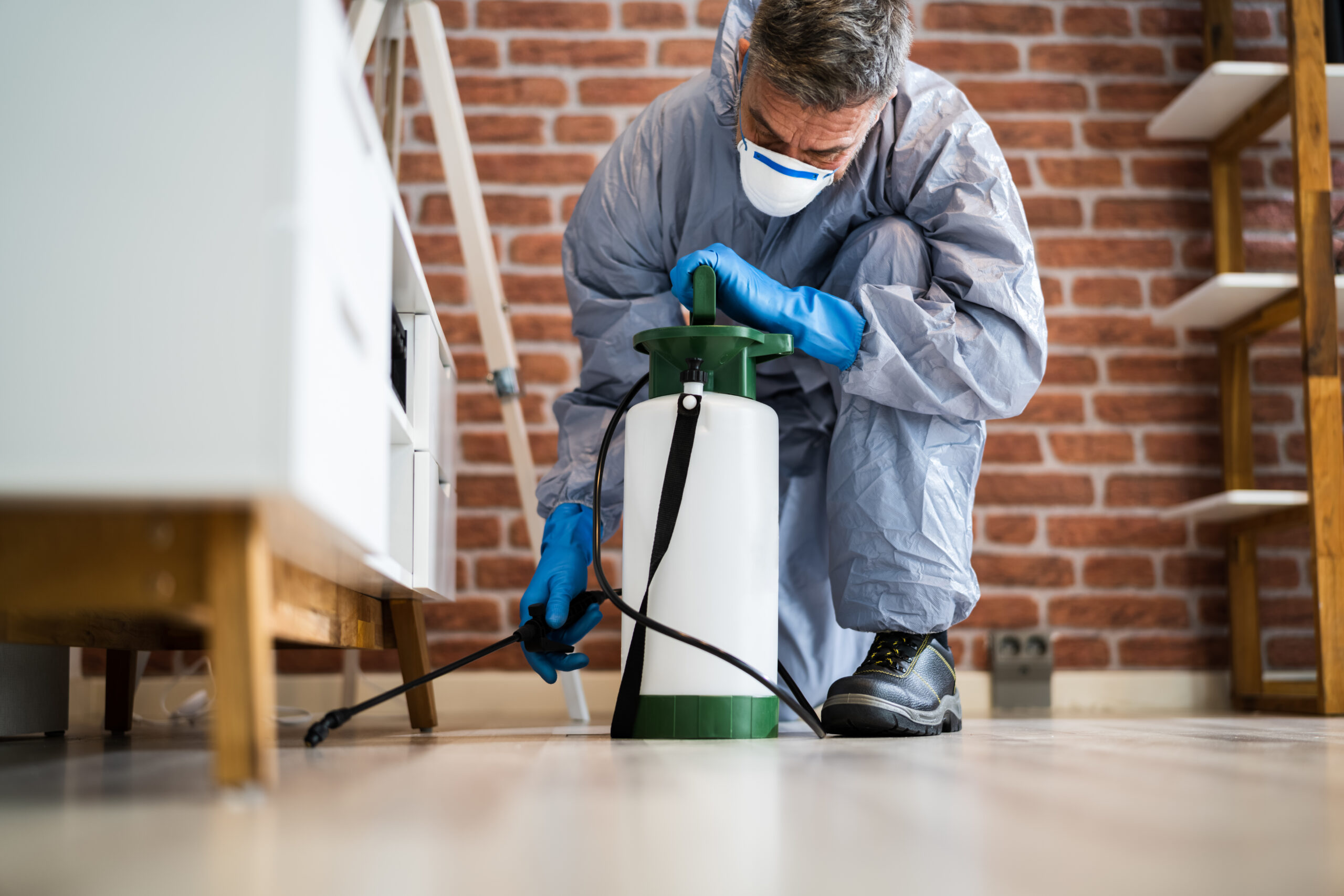
Safety is our top priority. We practice safe pest management by adhering to the principles of Integrated Pest Management (IPM). This approach emphasizes the use of inspections, sanitation, and exclusion techniques for pests before relying on chemical treatments. When we do use products, we select professional-grade solutions designed for residential environments.
We apply these products strategically in cracks and crevices, behind appliances, and in wall voids—areas where pests live but where children and pets typically do not reach. We always follow strict label laws regarding application rates and locations. For certain services, such as flea treatments or heavy sprays, we will advise you to keep pets and children out of the treated area until the product has completely dried. Once dry, the area is ready for normal use. We are happy to discuss any specific health concerns you have prior to starting service.
Do I need to leave my home during the treatment?
For the vast majority of our standard residential pest control visits, you do not need to leave your home. Our modern gel baits, dusts, and targeted liquid applications are low-odor and unobtrusive. You can usually carry on with your day while we work.
However, there are specific exceptions. If we are performing a whole-home flea treatment, a heavy fumigation for severe roach infestations, or certain bed bug eradication procedures, we may ask you to vacate the property for a few hours. This is to ensure your safety and to allow the products to settle and dry undisturbed. We will always provide you with clear, written instructions well in advance if you need to leave, so you can plan your day accordingly.
What is Integrated Pest Management (IPM)?
You will hear us mention Integrated Pest Management, or IPM, frequently because it is the gold standard in modern pest control. IPM is a science-based decision-making process that coordinates multiple tactics to control pests in the most effective and environmentally sensitive manner possible. Instead of just “spraying everything,” we look at the ecosystem of your home.
IPM involves:
- Identification: accurately determining the species (e.g., distinguishing a ghost ant from a carpenter ant).
- Monitoring: tracking pest activity over time.
- Action: using physical controls (trapping), cultural controls (sanitation advice), mechanical controls (sealing holes), and finally chemical controls (targeted baits).
By using IPM, we solve the root cause of the problem rather than just treating the symptoms, leading to better long-term results with less reliance on pesticides.
Why do I see more bugs after you treat my home?
It can be startling, but seeing an increase in insect activity immediately after a service is often a good sign. Many of the professional products we use are “flushing agents.” They are designed to irritate pests and force them out of their deep hiding spots inside walls and crevices. This forces them to cross our treated barriers and consume our baits.
For example, with cockroaches, a treatment often disrupts their nesting sites. They become disoriented and wander into the open before they succumb to the treatment. This period of increased visibility typically lasts for a few days to a week. If you are still seeing high levels of live activity 10 to 14 days after your service, please reach out to us for assistance, as a follow-up may be required.
Ant Control FAQs
Why can’t I get rid of the tiny ants in my kitchen myself?
The tiny ants common in Boynton Beach kitchens—often Ghost Ants or Pharaoh Ants—are notoriously difficult to control with DIY methods. These species have multiple queens and multiple satellite nests. When you spray them with a common over-the-counter repellent, you trigger a stress response called “budding.”
Budding occurs when the colony senses danger and splits into two or more separate colonies to ensure survival. By spraying, you might kill the few ants you see, but you inadvertently push the colony deeper into your walls and cause it to multiply. Our ant extermination strategy uses non-repellent transfer baits. The worker ants do not realize the bait is harmful; they carry it back to the nest and share it with the queens, effectively eliminating the entire colony from the inside out.
Do you treat for Carpenter Ants?
Yes, we specialize in Carpenter Ant removal. Unlike termites, Carpenter Ants do not eat wood; they excavate it to build nests. They prefer wood that has been softened by moisture or decay. In Florida, this often happens around window frames, door jambs, or where decks attach to the house.
Treating Carpenter Ants requires locating the parent nest, which is often outside in a tree stump or landscape timber, and the satellite nests, which are inside your home. We treat both areas to cut off the connection. We also help you identify the moisture source that attracted them in the first place, such as a leaky pipe or roof issue, which is critical for preventing their return.
Are the big red ants in my yard dangerous?
Those are likely Red Imported Fire Ants, and yes, they can be dangerous. Fire ants are aggressive and will swarm anything that disturbs their mound. They bite to get a grip and then sting, injecting a painful alkaloid venom that causes a burning sensation and often results in a white pustule. For people with allergies, these stings can be a serious medical threat.
We provide yard treatments to manage fire ant populations. This typically involves broadcasting a granular bait across the lawn that foragers take back to the mound. This method is far more effective than just pouring boiling water or gas on a mound, which is dangerous and usually only causes the colony to move a few feet away.
Bed Bug Eradication FAQs
How do I know if the bites I have are from bed bugs?
Bed bug bites can look very similar to mosquito or flea bites, making visual diagnosis difficult. However, there are some patterns to look for. Bed bug bites often appear in a line or a zigzag pattern, sometimes humorously referred to as “breakfast, lunch, and dinner.” They are typically found on areas of skin exposed while sleeping, such as arms, neck, and face.
The only way to confirm bed bugs is to find physical evidence of the pest itself. Look for small, rust-colored blood stains on your sheets, dark fecal spots (like bleed marks from a marker) on your mattress seams, or shed skins in the crevices of your headboard. If you suspect bed bugs, do not move furniture or sleep in a different room, as this spreads the infestation. Contact us immediately for a professional pest inspection.
Can I get rid of bed bugs by throwing away my mattress?
We strongly advise against throwing away your mattress. First, it is expensive to replace. Second, dragging an infested mattress through your home can drop eggs and bugs into your hallway and living room, spreading the problem. Third, bed bugs are rarely just in the mattress; they are in the box spring, the bed frame, the nightstands, behind the baseboards, and even in electrical outlets.
Removing the mattress removes only a fraction of the population. The remaining bugs will simply infest the new mattress the night you bring it home. Our bed bug eradication treatments can save your furniture. After treatment, we often recommend installing high-quality bed bug encasements to lock out any future issues and protect your investment.
How do you treat for bed bugs?
Our approach combines mechanical and chemical controls. We start with a thorough inspection to map the infestation. We may use vacuums to physically remove clusters of bugs and eggs. Then, we apply specialized products to cracks, crevices, and harborages where bed bugs hide. These products often include Insect Growth Regulators (IGRs) that stop the bugs from reproducing.
Preparation is key. We will provide you with a detailed checklist that includes laundering bedding on high heat, decluttering floors, and pulling furniture away from walls. Success requires a partnership between you and our technician. In some cases, follow-up treatments are necessary to catch any nymphs that hatch after the initial service.
Cockroach Extermination FAQs
What is the difference between a Palmetto Bug and a Cockroach?
In Florida, “Palmetto Bug” is a polite local nickname for the American Cockroach. These are the large, reddish-brown flying roaches that are often 1.5 to 2 inches long. They primarily live outdoors in palm trees (hence the name), mulch, and sewer systems, but they come inside seeking water or shelter from extreme weather.
This is different from the German Cockroach, which is smaller (about half an inch), light brown with two dark stripes, and lives strictly indoors. German roaches infest kitchens and bathrooms and breed rapidly. The distinction matters because the treatment is different. Palmetto bugs require exterior exclusion and barrier treatments, while German roaches require intensive interior baiting and sanitation protocols.
Why are German Cockroaches so hard to kill?
German Cockroaches are the “superbugs” of the pest world. They reproduce faster than any other common roach species; a single female can produce an egg capsule containing 30-40 babies every few weeks. They also have a very short time from birth to maturity, meaning populations can explode exponentially.
Furthermore, they have developed resistance to many common insecticides. Store-bought “bug bombs” usually fail because the fog doesn’t reach into the appliance motors or wall voids where they hide. We use a rotation of professional-grade gel baits and dusts that overcome this resistance. We also use growth regulators to sterilize the adults, ensuring the population cannot bounce back.
Do I need to clean my kitchen before you treat for roaches?
Yes, sanitation is roughly 50% of the battle against roaches. Cockroaches thrive on grease, crumbs, and moisture. If there is abundant food available (like dirty dishes or unsealed cereal), they may ignore our baits. By cleaning deep grease from stove sides, wiping counters, and drying out sinks, you put stress on the population and force them to seek out the bait we apply.
Before we arrive for a roach extermination service, we recommend decluttering countertops, emptying the garbage, and clearing access to the stove and refrigerator so we can treat the areas where they nest.

Flea and Tick Control FAQs
I treat my dog for fleas, so why is my house infested?
Veterinary treatments are essential, but they are not a force field. They kill fleas that bite the dog, but they do not stop fleas from hitching a ride inside and jumping off before they bite. Once a female flea lays eggs in your carpet or sofa, the cycle begins. The eggs fall off the pet and settle deep into fibers where vacuum cleaners and pet treatments can’t reach.
A home infestation is usually a sign that the “biomass” of the flea population (eggs, larvae, pupae) is in your environment, not on the pet. Our indoor flea treatment targets these stages. We use products that stop the larvae from developing into biting adults. It is critical to treat the pet (via your vet) and the home (via Pest Control Xperts) simultaneously for results.
Can ticks live inside my house?
Yes, specifically the Brown Dog Tick. Unlike most tick species that wait on tall grass outside, the Brown Dog Tick is adapted to indoor living. It can complete its entire life cycle inside your home. We often find them crawling up curtains, hiding behind door frames, or nesting in cracks near where the dog sleeps.
This situation requires a dedicated structural tick treatment, similar to how we treat for bed bugs. Treating the yard won’t solve an indoor Brown Dog Tick issue. If you are finding ticks on your walls or ceiling, let us know immediately so we can deploy the correct protocol.
How do I prepare my yard for flea and tick treatment?
To get the best results from our exterior service, remove leaf litter and organic debris, as these are prime breeding grounds for fleas and ticks. Mow your grass to a standard height before we arrive; this helps our treatment penetrate to the soil level where the pests hide. Pick up any toys, tools, or pet bowls from the lawn. If you know where your pet spends the most time resting in the yard (like a shady spot under a tree), point it out to our technician so we can give that area extra attention.
Rodent Removal (Rats and Mice) FAQs
How can I tell if I have rats or mice?
While both are rodents, the signs are slightly different. Roof Rats (common in Boynton Beach attics) are larger and sound like heavy thumping or scurrying overhead. Their droppings are about half an inch long and capsule-shaped. They often gnaw large holes in soffits or fruit in the yard.
Mice are much smaller and can squeeze through dime-sized holes. You might hear light scratching in walls. Their droppings are small, like grains of rice, and are often found in pantry drawers or under sinks. Mice tend to be more curious and might be seen darting across the floor, while rats are cautious and shy. Regardless of the species, we use pest tracking techniques to confirm the invader and choose the right trap size.
Why shouldn’t I just use poison bait blocks in the attic?
We generally discourage homeowners from placing loose poison baits in the attic for several reasons. First, there is the risk of “secondary poisoning” if a predator like an owl or neighborhood cat eats the poisoned rodent. Second, and most commonly for homeowners, a rodent that eats poison does not die instantly. It often retreats deep into a wall void or insulation to die.
A decaying rat inside a wall creates a horrific odor that can last for weeks and attract flies. It is often impossible to remove the carcass without cutting into the drywall. Our professional rodent removal focuses on trapping and physical removal so we can confirm the pest is gone and dispose of it properly.
What is “exclusion” and why is it necessary?
Exclusion is the construction side of pest control. It involves sealing the entry points that rodents use to get inside. If you trap the rats currently in your attic but leave the hole in the roof open, new rats will simply move in next week. Rats leave pheromone trails that say “safety and food are here,” inviting others to follow.
Our service includes identifying these breach points—such as gaps in roof returns, unsealed AC chases, or broken vents—and recommending or performing repairs. We use rodent-proof materials like steel wool, hardware cloth, and concrete to ensure they cannot chew their way back in. Rodent barrier installation is the only way to achieve long-term control.
Spider Control FAQs
Are the spiders in Boynton Beach dangerous?
Most spiders you encounter in South Florida, like the Spiny Orb Weaver or the Huntsman Spider, are harmless to humans and beneficial because they eat other bugs. However, we do have venomous species, primarily the Southern Black Widow and the Brown Widow.
Widow spiders like dark, cluttered areas. You might find them in your garage, water meter box, or under patio furniture. Their bites can be painful and cause systemic symptoms. If you see messy, irregular webs low to the ground, exercise caution. We can identify these spiders and safely remove them and their egg sacs to reduce the risk to your family.
How do I stop spiders from covering my pool cage in webs?
Pool cages are a magnet for spiders because the screen acts as a giant net that catches flying insects. Spiders build webs on the frame to harvest this easy food source. The location over the water and the height of the cage make it difficult for homeowners to clean.
Our service involves physical de-webbing using extension poles to brush down webs and egg sacs. We also treat the frame with products that discourage rebuilding. However, the long-term solution also involves reducing the flying insects in your yard. We may recommend changing your exterior lighting to yellow “bug bulbs” or adjusting landscape lighting to draw insects away from the cage.
Termite Treatment FAQs
When is termite season in Florida?
In South Florida, “termite season” is practically year-round, but the most visible activity happens during the swarming seasons. Subterranean termites typically swarm in the spring (February to May), often after a warm rain. Drywood termites tend to swarm later, often in late spring or summer evenings.
A swarm is a massive release of winged termites looking to start new colonies. If you see hundreds of winged insects inside your home or discarded wings on your windowsills, it is a pest emergency. It means a mature colony is nearby. Contact us immediately for a termite inspection.
Do I have to tent my house for termites?
Not necessarily. Tenting (structural fumigation) is used primarily for widespread Drywood termite infestations where the colony is inaccessible or spread throughout the home. If the infestation is Drywood termites but is limited to a specific area—like a single piece of furniture or one door frame—we may be able to perform a localized spot treatment.
For Subterranean termites, we never tent. These termites live in the ground, so tenting would not affect the colony. Instead, we treat the soil around your foundation or install bait stations to intercept them before they enter. We will evaluate your specific situation to determine the least invasive but most effective method.
Does concrete block construction mean I am safe from termites?
This is a common myth. While termites do not eat concrete, a block home still contains plenty of wood: baseboards, door frames, kitchen cabinets, roof trusses, and drywall paper. Subterranean termites are masters of entry; they can travel through cracks in the slab as thin as a business card.
They build “mud tubes” up the side of the concrete foundation to reach the wood framing in your attic. We have seen extensive termite damage in block homes where the owners thought they were immune. Regular inspections and preventative termite treatments are essential for every type of construction in Florida.
Conclusion
Pest control is not just about killing bugs; it is about protecting your home, your health, and your peace of mind. At Pest Control Xperts, we are committed to providing transparent, effective, and safe solutions for our neighbors in Boynton Beach and Lake Worth. We hope this FAQ page has answered your questions and demonstrated our expertise.
If you are ready to schedule an inspection or have a question not covered here, do not wait for the problem to get worse.
Contact us today.